
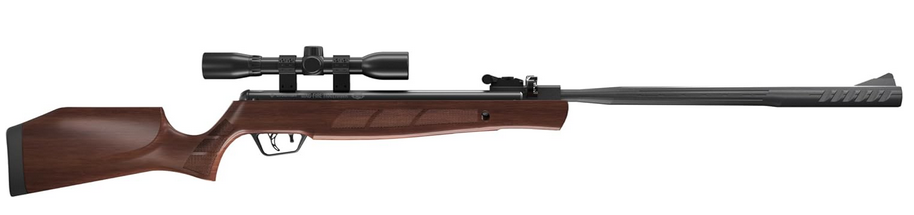
Best .177 Hunting Air Rifle For Pest Control, designed for effective rodent and pest control in farms and gardens.efficiently, offers shooters a reliable balance of accuracy, power, and ease of use in managing small pests humanely and effectively. These rifles are valued for their precision at short to medium ranges, making them suitable for protecting crops, storage areas, and property from destructive vermin. With proper handling and responsible use, they provide an efficient solution for maintaining pest-free environments in both rural and suburban settings.
Best .177 Hunting Air Rifle For Pest Control
1. Crosman Optimus Spring-Powered Break Barrel Air Rifle with Scope
The Crosman Optimus .177-caliber Spring-Powered Break Barrel Air Rifle is a practical option for shooters looking for a traditional, single-shot air rifle for small-pest control and recreational shooting. Its combination of a spring-piston powerplant, hardwood stock, rifled barrel, and included 4×32mm CenterPoint scope gives it a classic hunting-rifle feel. Crosman currently lists the .177 model at up to 1,200 FPS with alloy pellets.
Powerful .177-Caliber Performance
The Optimus uses a spring-powered break-barrel action, giving it a straightforward operating system without requiring a CO₂ cartridge, air tank, or compressor. In .177 caliber, Crosman rates it at up to 1,200 FPS with alloy pellets, while its listed lead-pellet velocity is 1,000 FPS. The manufacturer also lists approximately 18 foot-pounds of energy for the .177 configuration in its current catalog.
For pest-control applications where air rifles are legally permitted, the .177 caliber offers a relatively flat trajectory and is well suited to appropriate small targets. As with any airgun, actual velocity varies with pellet type and other conditions, so the advertised maximum should not be treated as the expected velocity with every pellet.
Classic Hardwood Stock
One of the Optimus’s standout features is its hardwood stock and foregrip. The stock has an ambidextrous design, giving both right- and left-handed shooters a conventional shoulder position. The wood construction also gives the rifle a more traditional appearance than many synthetic-stock alternatives.
The downside is that the hardwood construction contributes to the rifle’s weight. Crosman currently lists the product weight at approximately 7.1 pounds, making it less suitable for someone looking for an ultralight air rifle.
Break-Barrel Design and Cocking
The break-barrel mechanism keeps the Optimus relatively simple to operate. Each shot is loaded individually and the barrel is cocked before the next shot. Crosman describes the cocking effort as relatively light, while its current specification lists approximately 35 pounds of cocking effort.
This single-shot arrangement isn’t as fast as a multi-shot PCP or magazine-fed rifle, but it can be an advantage for someone who prefers a simple mechanical design and deliberate shooting.
CenterPoint 4×32mm Scope
The included CenterPoint 4×32mm scope is one of the biggest advantages of the package. It provides 4× magnification and gives the shooter a more precise aiming system than relying exclusively on the rifle’s open sights. The Optimus also has a dovetail mounting rail and fiber-optic front sight with an adjustable rear sight.
The scope is particularly useful for target shooting and pest-control situations where a precise sight picture is important. Users should properly zero the scope at a safe range before using the rifle.
Rifled Barrel and Adjustable Trigger
The Optimus features a rifled steel barrel, which is designed to provide the pellet stabilization needed for consistent accuracy. It also has a two-stage adjustable trigger, allowing the shooter to tune the trigger characteristics for improved control.
Together, the rifled barrel, adjustable trigger, and 4×32 scope make the Optimus a more complete package than a basic open-sight air rifle.
Specifications
- Brand: Crosman
- Model: Optimus
- Caliber: .177
- Powerplant: Spring piston
- Action: Break barrel
- Fire mode: Single shot
- Maximum velocity: Up to 1,200 FPS with alloy pellets
- Lead pellet velocity: Up to 1,000 FPS
- Barrel: Rifled steel
- Stock: Hardwood
- Scope: CenterPoint 4×32mm
- Front sight: Fiber optic
- Rear sight: Adjustable
- Trigger: Two-stage adjustable
- Mounting rail: Dovetail
- Cocking effort: Approximately 35 lbs
- Length: 45 inches
- Weight: Approximately 7.1 lbs
- Magazine: None
- Noise suppression: None
- Safety: Lever
- Warranty: 5 years according to Crosman’s current product listing
Pros
- Strong .177 performance with up to 1,200 FPS using alloy pellets.
- Rifled steel barrel for consistent pellet stabilization.
- CenterPoint 4×32mm scope included, so there is no immediate need to purchase an optic.
- Hardwood stock provides a classic hunting-rifle appearance and solid feel.
- Two-stage adjustable trigger allows improved trigger control.
- Fiber-optic front and adjustable rear sights provide an alternative to the scope.
- No CO₂ cartridges or compressed-air tank required.
- Suitable for small-pest control and target shooting where permitted by local law.
Cons
- Single-shot design requires cocking and loading after every shot.
- Relatively heavy at about 7.1 pounds.
2. Hatsan AT44S10 Long QES PCP Air Rifle, .177 Caliber
The Hatsan AT44S10 Long QES in .177 caliber is a powerful, feature-rich PCP air rifle designed for shooters who want high velocity, strong energy output, and dependable accuracy for pest control and small game hunting. With its extended barrel and integrated QuietEnergy suppression system, it blends power and noise reduction in a way that makes it suitable for both open-field and backyard pest management.
Key Features & Performance Overview
One of the most important upgrades in the AT44S10 Long QES is its extended barrel length, which adds nearly 4 inches compared to the standard model. This improvement increases air usage efficiency, resulting in better accuracy, higher velocity, and improved shot consistency. The rifle is capable of reaching up to 1350 FPS and 49 FPE, making it one of the more powerful .177 PCP rifles in its class.
Despite its power, the rifle incorporates Hatsan’s QuietEnergy (QES) technology, which includes an integrated sound moderator that reduces noise by up to 50%. This is a major advantage for pest control, where quieter shots help avoid alarming nearby pests or disturbing the environment.
Accuracy is another strong point. The rifle features a precision-rifled and choked steel barrel, paired with a 2-stage fully adjustable Quattro match trigger. This combination allows for a crisp trigger break and consistent shot placement, giving shooters confidence when taking precise headshots on small targets.
Design, Handling & Usability
The AT44S10 Long QES is built on a synthetic all-weather ambidextrous stock, making it durable and suitable for harsh outdoor conditions. The stock includes a Monte Carlo cheek rest and an adjustable butt pad, allowing shooters to customize comfort and improve shooting stability during long sessions in the field.
It also comes with a large 230cc air cylinder rated for a maximum fill pressure of 200 BAR, delivering up to 45 shots at optimal velocity. This makes it practical for extended pest control outings without frequent refills. For even greater convenience, the cylinder is swappable, allowing users to carry a spare and quickly replace it in the field.
Handling is solid and balanced, though slightly heavier than entry-level rifles due to its power-focused design. However, the added weight contributes to stability during aiming, especially for longer-range shots.
Specifications
- Caliber: .177
- Action: PCP (Pre-Charged Pneumatic), multi-shot
- Barrel: Precision rifled and choked steel barrel (extended length)
- Velocity: Up to 1350 FPS
- Energy Output: Up to 49 FPE
- Air Cylinder: 230cc removable tank
- Max Fill Pressure: 200 BAR
- Shot Count: Up to 45 shots per fill (optimal velocity)
- Trigger: Quattro 2-stage fully adjustable match trigger
- Stock: Synthetic all-weather, ambidextrous
- Cheek Rest: Monte Carlo style
- Butt Pad: Adjustable
- Noise Reduction: QuietEnergy integrated moderator (up to 50% quieter)
- System Type: PCP repeater
Pros
- Extremely powerful for a .177 PCP rifle (up to 49 FPE)
- High velocity performance up to 1350 FPS
- Improved accuracy from extended barrel design
- QuietEnergy system significantly reduces noise
- Excellent adjustable Quattro match trigger
- Large air cylinder with good shot count (up to 45 shots)
- Swappable cylinder for field convenience
- Durable all-weather synthetic stock
- Good ergonomics with adjustable cheek rest and butt pad
Cons
- Heavier than many entry-level PCP rifles
- High power requires careful pellet selection for best accuracy
3. Gamo Swarm Viper 10X GEN3i 10 Pellet Multi-Shot Inertia Fed Pellet Air Rifle
The Gamo Swarm Viper 10X GEN3i stands out as one of the most advanced .177 hunting air rifles for pest control, designed for shooters who value fast follow-up shots, reduced noise, and consistent gas-piston performance. It is built around Gamo’s modern multi-shot system, making it especially effective for dealing with fast-moving pests where a second shot may be needed quickly.
Key Features & Performance Overview
At the heart of this rifle is the 10X GEN3i technology, which introduces a revolutionary horizontal inertia-fed magazine system. This design allows the rifle to automatically index the next pellet using recoil energy after each shot. In practical use, it means you simply break the barrel and shoot—repeat—without manually loading each pellet. This significantly improves speed and efficiency during pest control situations.
The rifle comes with a 10-shot magazine system, giving the shooter rapid-fire capability in a break-barrel platform. This is particularly useful when dealing with multiple pests or when a clean follow-up shot is needed. The mechanism is designed to feel smooth and low-profile, keeping the rifle balanced and easy to handle.
Noise reduction is another major strength. The Whisper Maxxim sound suppression system uses dual noise-dampening chambers combined with an improved muzzle design. This helps reduce report noise, making it more suitable for backyard or semi-urban pest control where stealth is important.
Power delivery is handled by the IGT (Inert Gas Technology) gas piston system, which replaces the traditional spring. This results in smoother cocking, reduced vibration, and more consistent shot-to-shot performance. For pest control shooters, this means better accuracy and less fatigue over long shooting sessions.
The stock design also enhances usability. It features an automotive-grade glass-filled synthetic stock, built for durability in all weather conditions. Rubber inserts on the grip, forearm, and cheek piece improve comfort and control, especially during extended use or in wet conditions.
Specifications
- Caliber: .177 (4.5mm)
- Action: Break-barrel, multi-shot system
- Magazine Capacity: 10 pellets
- Power Plant: IGT Gas Piston
- Loading System: 10X GEN3i horizontal inertia-fed magazine
- Noise Reduction: Whisper Maxxim dual chamber suppressor
- Stock: Synthetic, glass-filled nylon with rubber grip inserts
- Use Case: Pest control, small game hunting, target shooting
- Recoil: Reduced due to gas piston system
- Firing Mode: Manual break-barrel with automatic magazine indexing
Pros
- Extremely fast 10-shot follow-up capability
- Smooth and consistent IGT gas piston system
- Effective noise reduction for discreet shooting
- Durable all-weather synthetic stock
- Comfortable grip and handling with rubber inserts
- Excellent for pest control scenarios requiring quick action
- Reduced vibration compared to spring-powered rifles
Cons
- More complex mechanism than traditional break-barrel rifles
- Requires proper maintenance of magazine system
4. Crosman Magfire Trailhawk Break Barrel Air Rifle
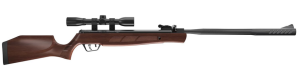
The Crosman Magfire Trailhawk Break Barrel Air Rifle (.177 caliber) is a modern, budget-friendly hunting and pest control air rifle designed for shooters who want multi-shot convenience in a traditional break-barrel platform. It combines simplicity, accuracy, and useful accessories into a package that performs well for backyard pest control and small-game shooting.
Key Features & Performance Overview
One of the standout features of the Magfire Trailhawk is its 12-shot magazine system, which is uncommon in break-barrel rifles. This allows shooters to fire up to 12 pellets before needing to reload, significantly improving efficiency when dealing with fast-moving pests like rats, pigeons, or squirrels. The magazine system is smooth and helps reduce downtime between shots.
The rifle also includes QuietFire sound suppression technology, which helps reduce muzzle noise compared to standard break-barrel air rifles. While not completely silent, it makes the rifle more suitable for use in residential or semi-urban environments where noise control is important.
Accuracy is enhanced with the included 4×32 scope, giving shooters a ready-to-use optic setup for medium-range targeting. Combined with the .177 caliber’s flat trajectory, this makes it easier to place precise shots on small pests at typical backyard distances.
Another practical addition is the Picatinny rail system, allowing users to mount additional accessories such as upgraded optics, laser sights, or tactical lights. This increases versatility depending on the shooting environment.
The rifle features a sleek, low-profile wood stock, giving it a more classic appearance compared to synthetic tactical models. Despite its traditional look, it remains lightweight and ergonomic, making it comfortable for extended shooting sessions.
Specifications
- Caliber: .177 (4.5mm)
- Action: Break-barrel, multi-shot system
- Magazine Capacity: 12 pellets
- Power Plant: Spring-piston system
- Included Optics: 4×32 scope
- Sound Suppression: QuietFire technology
- Rail System: Picatinny accessory rail
- Stock: Wood, low-profile design
- Use Case: Pest control, target shooting, small game hunting
- Firing Mode: Manual break-barrel with magazine indexing
Pros
- 12-shot magazine improves shooting speed
- Includes ready-to-use 4×32 scope
- QuietFire system reduces noise for discreet use
- Classic wood stock with comfortable handling
- Picatinny rail supports accessory upgrades
- Good accuracy for pest control distances
- Affordable compared to premium multi-shot rifles
Cons
- Spring-piston recoil can affect follow-up shot stability
- Not as quiet as high-end PCP rifles
5. Benjamin Trail XL Magnum NP Break Barrel Air Rifle with Scope
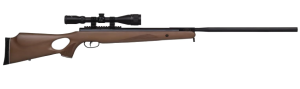
The Benjamin Trail XL Magnum NP (.177 caliber) is a powerful single-shot break-barrel air rifle designed for shooters who want high velocity, solid accuracy, and dependable performance for pest control and small game hunting. Built under the long-standing Benjamin legacy, it blends traditional craftsmanship with modern gas-piston technology, making it a strong contender in the high-power .177 category.
Key Features & Performance Overview
At the core of this rifle is the Nitro Piston (gas piston) system, which replaces the traditional metal spring. This upgrade significantly reduces vibration and recoil while also making the rifle quieter—by up to 70% compared to standard spring-powered models. In real-world use, this means smoother cocking, better shot stability, and improved long-term durability.
Power is where the Trail XL Magnum really stands out. It delivers .177 pellets at velocities up to 1500 FPS, making it one of the higher-velocity break-barrel rifles in its class. This level of speed provides a flat trajectory and strong impact energy, which is especially useful for pest control at medium distances where accuracy and penetration matter.
The rifle is fitted with a hardwood stock, featuring a checkered grip pattern for better handling and a ventilated rubber recoil pad. This design helps stabilize the rifle during shooting while also improving comfort during extended sessions. The wood finish also gives it a more traditional, premium hunting feel compared to synthetic tactical rifles.
For accuracy, it comes equipped with a 3–9x40mm CenterPoint scope, offering adjustable magnification for both close and mid-range targeting. The inclusion of a Picatinny rail system allows shooters to mount or upgrade optics easily, making the rifle adaptable for different shooting environments.
Specifications
- Caliber: .177 (4.5mm)
- Action: Break-barrel, single-shot
- Power Plant: Nitro Piston (gas piston system)
- Velocity: Up to 1500 FPS (with alloy pellets)
- Stock: Hardwood with checkered grip and rubber recoil pad
- Optics: 3–9x40mm CenterPoint scope included
- Rail System: Picatinny mount compatible
- Noise Reduction: Up to 70% quieter than spring systems
- Use Case: Pest control, small game hunting, target shooting
- Brand Heritage: Benjamin airguns (est. 1882)
Pros
- Extremely high velocity (up to 1500 FPS)
- Smooth and reduced recoil thanks to Nitro Piston system
- Strong hardwood stock with good balance and durability
- Includes quality 3–9×40 adjustable scope
- Good accuracy for pest control at medium range
- Quieter than traditional spring-powered rifles
- Trusted engineering from a long-established airgun brand
Cons
- Single-shot design slows follow-up shots
- High power requires practice to master accuracy
Also read: Best Hunting Air Rifle For Raccoons
Factors to Consider When Choosing the Best .177 Hunting Air Rifle for Pest Control
1. Accuracy and Shot Consistency
Accuracy is the most important factor in pest control because clean, ethical shots are essential for effectiveness and safety. A good .177 air rifle should deliver tight shot groupings at typical pest distances, usually between 10 and 40 meters. Consistent accuracy depends on barrel quality, trigger performance, and overall build stability. Rifles like gas piston or PCP systems often provide smoother shot cycles, reducing human error caused by recoil. Even a powerful rifle is useless for pest control if it cannot reliably hit a small target such as a rat’s head or a bird at range.
2. Power and Velocity (FPS)
Power determines how effectively the pellet transfers energy to the target. For .177 pest control rifles, velocities between 1000 and 1500 FPS are common depending on pellet type and power system. Higher velocity can improve trajectory and penetration, but excessive speed with lightweight pellets may reduce accuracy. It is important to balance power with control, especially for small pests where over-penetration or missed shots can be an issue. Gas piston and Nitro Piston systems often provide more consistent energy delivery compared to traditional springs.
3. Shooting System (Break-Barrel, Gas Piston, PCP)
The type of firing system greatly affects performance, maintenance, and ease of use. Break-barrel rifles are simple and affordable, making them popular for beginners. Gas piston systems reduce recoil and vibration, improving accuracy and longevity. PCP (Pre-Charged Pneumatic) rifles offer the highest consistency, multi-shot capability, and quiet operation but require external air filling equipment. Choosing the right system depends on whether the user prioritizes simplicity, performance, or advanced shooting capability.
4. Magazine Capacity and Reload Speed
For pest control, especially when dealing with multiple targets, reload speed is crucial. Traditional single-shot rifles require manual loading after each shot, which can slow response time. Modern multi-shot systems like 10X or 12-shot magazines significantly improve efficiency by allowing rapid follow-up shots. This is especially useful for fast-moving pests or group infestations. However, more complex magazines require careful handling and maintenance to ensure reliable feeding.
5. Noise Level and Suppression
Noise control is an important consideration, particularly for residential or semi-urban pest control. Many modern air rifles include suppression systems such as Whisper Maxxim or QuietFire technology to reduce muzzle report. Gas piston rifles are also generally quieter than spring-powered models. Lower noise helps avoid scaring away pests after the first shot and reduces disturbance to neighbors. While no air rifle is completely silent, better suppression improves stealth and overall shooting effectiveness.
6. Scope and Sight System
A good optic system is essential for precise targeting in pest control. Many rifles come with factory-installed scopes such as 4×32 or 3–9×40 adjustable zoom optics. A higher-quality scope improves target acquisition, especially for small or distant pests. Adjustable magnification allows shooters to adapt to different environments, from close-range backyard shooting to longer-range field control. Poor optics can significantly reduce accuracy, even if the rifle itself is high quality.
7. Build Quality and Stock Comfort
The rifle’s build quality affects durability, handling, and long-term performance. Synthetic stocks are lightweight, weather-resistant, and ideal for outdoor use, while hardwood stocks offer a traditional feel and good balance. Rubber inserts and ergonomic designs improve grip stability, especially during long shooting sessions. A well-designed stock reduces fatigue and helps maintain steady aim. In pest control situations, comfort and stability directly influence shot precision.
8. Ease of Maintenance and Reliability
Reliability is essential because pest control often requires quick response without mechanical failure. Simple systems like break-barrel rifles are easy to maintain, while multi-shot and PCP systems may require more care and cleaning. Gas piston rifles generally have longer lifespans and less internal wear compared to spring systems. A reliable rifle should function consistently under different weather conditions and usage patterns. Regular maintenance ensures long-term accuracy and prevents feeding or firing issues during critical moments.