

Best Four season camping tent for cold weather provides dependable protection against snow, wind, rain, and freezing temperatures. Whether you’re planning a winter camping trip, a mountaineering expedition, or an alpine backpacking adventure, choosing the right four-season tent is essential for safety and comfort. These specialized shelters are built with stronger pole structures, durable weather-resistant fabrics, and enhanced ventilation systems designed to withstand harsh environmental conditions. From lightweight models for backcountry travel to expedition-grade shelters for extreme weather, the best options combine stability, durability, and livability to help you stay protected when temperatures drop and conditions become unpredictable.
Best Four season camping tent for cold weather
1. MSR Remote 2 Two-Person Mountaineering Tent – Orange

The MSR Remote 2 Two-Person Mountaineering Tent is a premium four-season shelter designed for mountaineers, winter campers, and backcountry adventurers who demand dependable protection in harsh alpine conditions. Built to withstand heavy snow loads, fierce winds, and prolonged exposure to severe weather, this tent combines expedition-grade durability with a surprisingly comfortable interior. Whether you’re setting up camp on a snowy ridgeline or enduring a multi-day winter storm, the Remote 2 provides the security and livability needed to stay safe and comfortable.
One of the standout features of the Remote 2 is its robust structural design. The tent utilizes a unique central-support frame paired with ultra-durable Easton Syclone poles, which are renowned for their ability to flex under extreme pressure without breaking. This advanced pole architecture creates a remarkably strong shelter capable of handling heavy snow accumulation and powerful winds commonly encountered in mountainous terrain. Reinforced guy-out points further enhance stability while helping prevent fabric tears during severe weather events.
The tent’s double-wall construction offers excellent weather protection and helps manage interior moisture. New rainfly vents improve airflow and reduce condensation buildup, a crucial feature during cold-weather camping where trapped moisture can quickly become uncomfortable. The rainfly is constructed from durable 68D polyester ripstop fabric, while the bathtub floor features a PFAS-free DWR waterproof coating to keep occupants dry even when camping on wet or snowy ground. Snow flaps around the vestibule help seal out blowing snow and spindrift during storms.
Despite its expedition-ready strength, the Remote 2 also excels in livability. Its larger floor plan and increased headroom create a spacious interior that comfortably accommodates two climbers wearing bulky winter clothing. The large hooped vestibule provides generous covered storage for backpacks, climbing equipment, boots, and other essential gear, helping keep the sleeping area organized and clutter-free. Multiple reflective guy points improve nighttime visibility around camp, while two internal pockets offer convenient storage for smaller items.
Another major advantage is the tent’s easy setup system. Color-coded pole clips simplify assembly and allow for quicker pitching even in poor weather conditions, high winds, or low-light situations. When conditions deteriorate rapidly, this user-friendly design can make a significant difference in getting shelter established quickly and efficiently.
Key Features
- Expedition-grade four-season mountaineering tent
- Strong central-support frame for extreme weather performance
- Ultra-durable Easton Syclone poles resist breakage and deformation
- Reinforced guy-out points improve stability in high winds
- Spacious two-person interior with extra headroom
- Large hooped vestibule for gear storage and protection
- Rainfly vents help reduce interior condensation
- Snow flaps seal out drifting snow and spindrift
- Color-coded pole clips for easier setup
- PFAS-free DWR-coated waterproof bathtub floor
- Two interior storage pockets
- Reflective guy points for improved nighttime visibility
Specifications
| Specification | Details |
|---|---|
| Capacity | 2 Persons |
| Season Rating | 4-Season |
| Tent Type | Double-Wall Mountaineering Tent |
| Rainfly Material | 68D Polyester Ripstop |
| Pole Material | Easton Syclone Poles |
| Floor Style | Waterproof Bathtub Floor |
| Vestibule | Large Hooped Vestibule |
| Ventilation | Rainfly Vents |
| Interior Storage | 2 Internal Pockets |
| Weather Protection | Heavy Snow, High Winds, Extreme Cold |
| Setup | Color-Coded Pole Clip System |
| Color | Orange |
Pros
- Exceptional performance in severe winter weather
- Extremely strong Easton Syclone pole system
- Handles heavy snow loads with confidence
- Outstanding wind resistance
- Spacious interior for two occupants and winter gear
- Large vestibule offers excellent gear storage
- Effective condensation management through rainfly vents
- Durable materials designed for long-term expedition use
- Easy-to-identify color-coded setup system
- Reflective guy lines improve safety at night
Cons
- Heavier than many backpacking-focused tents
- Premium price may not suit casual campers
2. Eureka! Mountain Pass Four-Season Extreme Weather Backpacking Tent (2 or 3 Person)
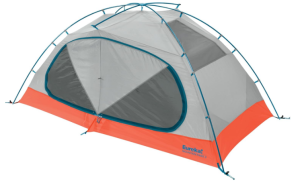
The Eureka! Mountain Pass Four-Season Extreme Weather Backpacking Tent is a versatile shelter designed for campers who want reliable protection in cold, wet, windy, and changing weather conditions without committing to a dedicated heavy winter tent. Available in two- or three-person configurations, the Mountain Pass combines a lightweight, breathable canopy with removable side panels and a waterproof rain fly, allowing it to transition between three-season and four-season use. The three-person version offers a generous 45.2-square-foot interior, making it a particularly attractive option for backcountry adventures where extra space is valuable.
Key Features
Convertible Three- and Four-Season Design
One of the standout features of the Mountain Pass is its convertible design. The tent has a highly breathable, lightweight canopy for warmer-weather camping, while its zippered, removable side panels can be installed when additional protection is needed. This gives campers greater flexibility when conditions change, making the tent useful throughout much of the year rather than limiting it to a single season.
The removable panels provide an additional barrier against cold, wind, and challenging weather. This versatility makes the Mountain Pass particularly useful for campers who travel through areas where weather can change quickly and want one shelter capable of adapting to different conditions.
Waterproof Rain Fly and Dual Vestibules
The waterproof rain fly provides an important layer of protection against rain, snow, and other elements. It also creates two separate vestibules for storing equipment outside the main sleeping area. The front vestibule measures 14.2 square feet, while the rear vestibule provides 9.5 square feet, giving a combined 23.7 square feet of covered storage.
This additional space is particularly useful during cold or wet trips. Backpacks, wet boots, cooking equipment, and other gear can be kept under cover without taking up valuable sleeping space inside the tent.
High/Low Vent Air Exchange System
Condensation can be a major problem when camping in cold weather, particularly when several people are sleeping inside a tent. The Mountain Pass addresses this with its High/Low Vent Air Exchange system. Low vents allow cooler outside air to enter the shelter, while warmer, moisture-laden air can escape through higher vents.
This creates a natural airflow pattern that helps reduce moisture accumulation inside the tent. The ventilation system is especially useful when the tent is fully enclosed with its removable side panels installed.
Spacious Interior for Three People
With 45.2 square feet of floor space, the three-person Mountain Pass provides a roomy sleeping area for its intended capacity. The floor measures approximately 7 feet 4 inches by 6 feet 6 inches, while the center peak reaches 3 feet 8 inches.
The generous floor area provides useful room for three campers, while also making the tent comfortable for two people who want additional personal and gear space. The interior organization is further improved by a gear loft and five storage pockets, allowing small essentials to be kept off the floor and within easy reach.
Strong Aluminum Pole Framework
The Mountain Pass uses an aluminum main pole frame and aluminum ridge pole frame. This construction provides a sturdy framework while helping keep the shelter lighter than many traditional heavy-weather tents.
The included 11 stakes and six guy ropes also provide multiple attachment points for securing the tent when conditions become windy. Properly staking and guying the tent is particularly important when using it in exposed locations.
Lightweight Construction and Portable Design
Although designed for heavy weather, the Mountain Pass uses lightweight materials to maintain reasonable portability. The three-person model has a minimum weight of 6 pounds 6 ounces and packs down to approximately 7 x 19 inches.
At this weight, it is heavier than many lightweight three-season backpacking tents, but the additional protection and convertible four-season design make the extra weight worthwhile for campers who need greater weather versatility.
Specifications
- Product: Eureka! Mountain Pass Four-Season Extreme Weather Backpacking Tent
- Capacity: 2 or 3 people
- Configuration reviewed: 3-person
- Season rating: Convertible 3- to 4-season
- Interior floor area: 45.2 sq. ft.
- Floor dimensions: 7 ft. 4 in. x 6 ft. 6 in.
- Center peak height: 3 ft. 8 in.
- Minimum weight: 6 lbs. 6 oz.
- Packed size: 7 x 19 inches
- Canopy: Highly breathable, lightweight material
- Side panels: Zippered and removable
- Rain fly: Waterproof
- Front vestibule: 14.2 sq. ft.
- Rear vestibule: 9.5 sq. ft.
- Combined vestibule area: 23.7 sq. ft.
- Ventilation: High/Low Vent Air Exchange system
- Pole material: Aluminum
- Storage: Gear loft and five pockets
- Stakes: 11
- Guy ropes: 6
- Included: Tent body, fly, footprint, aluminum main pole frame, aluminum ridge pole frame, tent bag, stake bag, pole bag, 11 stakes, 6 guy ropes and instructions
- Ideal for: Backpacking, trail camping, backcountry camping, kayak and canoe camping, bikepacking, overlanding, rooftop camping, bicycle camping, adventure camping and beach camping
Pros
- Convertible three- and four-season design
- Excellent choice for changing weather conditions
- Spacious 45.2-square-foot interior
- Roomy enough for three campers
- Waterproof rain fly provides strong weather protection
- Two vestibules offer 23.7 sq. ft. of combined storage
- Removable side panels add protection during cold or severe weather
- High/Low Vent Air Exchange system helps control condensation
- Breathable canopy improves ventilation in warmer weather
- Aluminum pole construction provides a strong framework
- Includes a footprint
- Gear loft and five pockets improve interior organization
- Six guy ropes provide additional stability in windy conditions
- Useful across a wide range of camping activities
Cons
- 6 lb. 6 oz. minimum weight is relatively heavy for lightweight backpacking
- Less suitable for ultralight backpackers
3. MSR Access 2-Person Lightweight 4-Season Tent
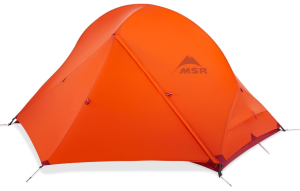
The MSR Access 2-Person Lightweight 4-Season Tent is an excellent choice for cold-weather camping, winter backpacking, snowshoeing, backcountry skiing, and splitboarding. Designed to bridge the gap between lightweight backpacking tents and heavier mountaineering shelters, it provides increased warmth, snow resistance, and weather protection without becoming excessively heavy. At only 3 lbs 10 oz (1.64 kg) minimum weight, it is particularly appealing to campers who want a dependable four-season shelter while keeping their pack as light as possible.
Key Features
Lightweight Four-Season Design
One of the biggest advantages of the MSR Access 2 is its combination of four-season capability and relatively low weight. The minimum setup weighs just 3 lbs, while the complete setup weighs approximately 4.06 lbs. This makes it considerably easier to carry on winter backpacking trips than many traditional mountaineering tents. It is designed especially for protected winter environments around the treeline, where campers need protection from cold, snow, and wind without carrying an extremely heavy shelter.
Strong Easton Syclone Poles
The tent uses Easton Syclone poles, which are constructed from advanced aerospace composite materials. Their combination of strength and flexibility is designed to resist breaking when exposed to challenging winter conditions. This is particularly useful when camping in areas where accumulated snow can place considerable stress on the tent structure.
Central-Support Frame for Snow Loading
The central-support frame is another important feature for winter camping. It provides a quick setup while optimizing the usable interior space. More importantly, the frame is designed to withstand the weight of accumulated snow, giving the shelter greater stability during winter conditions. The swivel pole hub also helps make setup relatively quick when conditions are less than ideal.
Warm Interior With Reduced Mesh
Unlike many three-season backpacking tents that use large areas of mesh for ventilation, the MSR Access 2 uses limited mesh on the tent body. This helps retain more warmth during freezing nights. At the same time, vents incorporated into the rainfly help release moisture and reduce condensation, providing a useful balance between warmth and ventilation.
Xtreme Shield Waterproof Protection
The rainfly is made from 20D ripstop nylon and features MSR’s Xtreme Shield waterproof coating. This provides durable protection against rain, snow, and wet conditions. The waterproof construction is especially valuable when camping in unpredictable winter weather, where moisture entering the shelter can quickly become a serious problem.
Spacious Interior and Two Vestibules
Despite its lightweight design, the Access 2 provides a reasonably spacious interior for two people. The main floor measures 84 inches long by 50 inches wide, providing approximately 29 square feet of interior floor space. Its 42-inch peak height provides enough room for sitting up and changing layers.
The tent also features two doors and two generous vestibules. Each vestibule provides approximately 8.75 square feet, giving a combined 17.5 square feet of external storage space. This provides plenty of room for boots, backpacks, snowshoes, and other equipment while keeping wet or dirty gear outside the sleeping area.
Quick Setup and Compact Pack Size
Winter weather can make tent setup particularly challenging, so the quick setup of the Access 2 is a useful advantage. Once packed, the tent measures approximately 18 x 6 inches, making it relatively compact for a four-season shelter. It includes the tent body, rainfly, poles, stakes, guylines, tent bag, pole bag, and stake bag.
Specifications
- Product: MSR Access 2-Person Lightweight 4-Season Tent
- Capacity: 2 people
- Season rating: 4-season
- Rainfly material: 20D ripstop nylon
- Waterproof coating: Xtreme Shield
- Pole material: Easton Syclone advanced composite
- Interior floor dimensions: 84 x 50 inches
- Interior floor area: 29 sq. ft.
- Peak height: 42 inches
- Vestibules: 2
- Vestibule area: 8.75 sq. ft. each
- Total vestibule area: 17.5 sq. ft.
- Minimum weight: 3 lbs
- Complete setup weight: 4.06 lbs / approximately 1.84 kg
- Packed size: 18 x 6 inches
- Tent body: Limited mesh construction
- Ventilation: Rainfly vents
- Included: Tent body, rainfly, poles, stakes, guylines, tent bag, pole bag and stake bag
- Warranty: 3-year limited manufacturer’s warranty
- Origin: Imported
Pros
- Excellent cold-weather performance for protected winter environments
- Very lightweight for a four-season tent
- Strong and flexible Easton Syclone composite poles
- Central-support frame helps resist snow loading
- Limited mesh helps retain warmth on freezing nights
- Rainfly vents help reduce condensation
- Xtreme Shield coating provides strong waterproof protection
- Spacious 29-square-foot interior for two people
- Two doors provide convenient access for both campers
- Two large vestibules provide 17.5 sq. ft. of gear storage
- Compact 18 x 6-inch packed size
- Quick and relatively simple setup
- Particularly well suited to winter backpacking, snowshoeing and backcountry skiing
Cons
- More expensive than many conventional three-season camping tents
- Not designed to be the ideal shelter for the most extreme mountaineering conditions
4. ALPS Mountaineering Tasmanian 2-Person Tent

The ALPS Mountaineering Tasmanian 2-Person Tent is one of the best four-season camping tents for cold weather, offering dependable protection, durability, and comfort at a price that is often more affordable than many premium mountaineering shelters. Designed for year-round adventures, this tent is built to handle snow, wind, rain, and cold temperatures, making it an excellent choice for winter campers, hunters, and outdoor enthusiasts who need reliable shelter in challenging conditions.
A major strength of the Tasmanian 2-Person Tent is its true four-season construction. The tent features a full-coverage rainfly, weatherproof shock-corded aluminum poles, and fully closable vents that help seal out harsh weather when conditions become severe. The floor is protected by an impressive 5000mm waterproof coating, providing excellent resistance against ground moisture, snowmelt, and heavy rain. Weatherproof fly buckles further enhance stability and weather protection during storms.
The free-standing pole system is designed for quick and easy assembly. Pole clips snap directly onto the tent poles, simplifying setup even in cold conditions where complicated pitching systems can become frustrating. The sturdy aluminum poles create a stable structure capable of handling strong winds and moderate snow loads, making the tent suitable for winter camping and backcountry adventures.
Comfort and convenience are also highlights of this tent. The Tasmanian features two doors and two vestibules, allowing occupants to enter and exit from either side without disturbing one another. The vestibules provide valuable covered storage space for backpacks, boots, and other gear, helping keep the sleeping area organized and dry. With 34.5 square feet of interior floor space and a center height of 46 inches, the tent offers a comfortable amount of room for two campers.
The interior is thoughtfully equipped with mesh storage pockets and a gear loft, making it easy to organize small items and essentials. Durable #8 zippers contribute to long-term reliability, while the included 7075 aluminum stakes and guy ropes provide everything needed for a secure setup in varying terrain and weather conditions.
Overall, the ALPS Mountaineering Tasmanian 2-Person Tent delivers an impressive balance of weather protection, interior space, and value. While it is heavier than some premium backpacking-focused four-season tents, its rugged construction, dual vestibules, and dependable cold-weather performance make it an excellent option for campers seeking a durable winter shelter without breaking the bank.
Key Specifications
- Capacity: 2 Person
- Season Rating: Four-Season
- Base Size: 7 ft. 8 in. L x 5 ft. 2 in. W
- Tent Area: 34.5 sq. ft.
- Center Height: 46 in.
- Vestibule Area: 13 sq. ft.
- Vestibule Depth: 35 in.
- Number of Doors: 2
- Number of Vestibules: 2
- Total Weight: 7 lbs. 15 oz.
- Packed Size: 21 in. L x 6.5 in. D
- Pole Diameter: 8.5 mm Aluminum
- Tent Fly Material: 75D 185T Polyester with 1500mm Coating
- Floor Material: 75D 185T Poly Taffeta with 5000mm Coating
- Included Accessories: 7075 Aluminum Stakes, Guy Ropes, Mesh Storage Pocket, Gear Loft
- Color: Orange/Gray
Pros
- True four-season protection for cold-weather camping
- Full-coverage rainfly enhances weather resistance
- Durable aluminum pole system provides excellent stability
- Highly waterproof 5000mm floor coating
- Two doors offer convenient entry and exit
- Dual vestibules provide ample gear storage
- Easy-to-follow freestanding setup design
- Includes stakes, guy ropes, gear loft, and storage pockets
- Spacious interior for two campers
- Excellent value compared to many premium winter tents
Cons
- Heavier than ultralight four-season backpacking tents
- Not designed for extreme high-altitude expeditions
5.The North Face VE 25 Tent – Summit Gold/Asphalt Grey

The North Face VE 25 Tent – Summit Gold/Asphalt Grey is widely regarded as one of the best four-season camping tents for cold weather, earning a reputation among mountaineers and winter adventurers for its exceptional durability, weather protection, and expedition-ready design. Built to withstand harsh alpine environments, heavy snowfalls, and powerful winds, the VE 25 is a trusted shelter for climbers tackling challenging conditions year-round.
One of the tent’s greatest strengths is its rugged construction. The canopy is made from lightweight 40-denier ripstop nylon, while the rainfly features a 40-denier nylon fabric with a polyurethane and silicone coating for dependable weather resistance. Beneath the tent, a fully taped, cut-in bucket floor constructed from 70-denier nylon with a substantial 10,000mm waterproof coating provides outstanding protection against snowmelt, moisture, and saturated ground conditions. Welded reinforcements throughout the structure add additional durability where it matters most.
The VE 25 is engineered to deliver maximum stability in extreme weather. Its four-pole architecture combines pole sleeves and clips to create a strong, rigid structure capable of handling high winds and significant snow loads. Premium DAC aluminum poles and stakes provide an excellent strength-to-weight ratio, while reflective guylines with equalizers at multiple attachment points further improve stability during storms. The inclusion of four dedicated snow stakes makes the tent especially well-suited for winter and alpine environments.
Comfort and accessibility are also key highlights. The tent features two doors and a dual-entry front vestibule, making entry and exit convenient for multiple occupants. The vestibules provide valuable storage space for boots, backpacks, and climbing equipment while keeping the sleeping area uncluttered. Glow-in-the-dark, color-coded zipper pulls make locating entrances and zippers easy during nighttime conditions, an often-overlooked but highly practical feature during winter expeditions.
Ventilation is another area where the VE 25 excels. Its high-low venting system offers multiple airflow configurations to help reduce condensation buildup without sacrificing weather protection. The polyurethane port window is cold-crack tested to an impressive -60°F (-51°C), demonstrating the tent’s suitability for extreme cold-weather use. Inside, eight storage pockets, numerous hanger loops, and stuff pockets for securing open doors help keep gear organized and accessible during extended stays.
Overall, the North Face VE 25 remains one of the most respected expedition-grade four-season tents available. Its combination of weatherproof construction, spacious interior, excellent ventilation, and mountaineering-focused features make it a top choice for serious winter campers, alpine climbers, and expedition teams operating in harsh environments.
Key Specifications
- Best Use: Mountaineering
- Season Rating: Four-Season
- Sleeping Capacity: 3 Person
- Design Type: Freestanding
- Minimum Trail Weight: 9 lbs. 8 oz.
- Fly/Footprint Pitch Weight: 1 lb. 1 oz.
- Packaged Weight: 10 lbs. 5 oz.
- Packed Size: 24 x 9 inches
- Floor Dimensions: 104 x 85 inches
- Floor Area: 48 sq. ft.
- Peak Height: 48 inches
- Vestibule Area:
- Front Vestibule: 11 sq. ft.
- Rear Vestibule: 5 sq. ft.
- Number of Doors: 2
- Number of Poles: 4
- Pole Material: DAC Aluminum
- Canopy Fabric: 40D Uncoated Ripstop Nylon
- Floor Fabric: 70D Nylon with 10,000mm Polyurethane Coating
- Rainfly Fabric: 40D Nylon with 1,500mm Polyurethane/Silicone Coating
- Footprint Included: Yes
- Snow Stakes Included: 4
Pros
- Exceptional performance in severe winter and mountaineering conditions
- Strong four-pole design offers outstanding wind and snow resistance
- Durable DAC aluminum poles provide excellent structural integrity
- Highly waterproof 10,000mm floor coating
- Dual doors improve accessibility for multiple occupants
- Spacious interior comfortably accommodates three people
- Multiple vestibules offer useful gear storage space
- Excellent ventilation system helps reduce condensation
- Reflective guylines improve nighttime visibility and storm stability
- Glow-in-the-dark zipper pulls enhance usability in darkness
- Includes footprint and snow stakes
- Proven expedition-grade reliability
Cons
- Heavier than many modern backpacking-oriented four-season tents
- Premium price may not suit casual campers
Also read: Best budget camping tent for couples
Factors to Consider When Choosing the Best Four-Season Camping Tent for Cold Weather
1. Weather Resistance
The primary purpose of a four-season tent is to provide reliable protection against harsh weather conditions, including snow, strong winds, freezing temperatures, and heavy rain. Look for features such as full-coverage rainflies, high waterproof ratings, reinforced seams, and durable fabrics that can withstand prolonged exposure to the elements. A tent designed for severe weather should keep occupants dry and secure even during winter storms and alpine conditions.
2. Tent Structure and Pole Strength
A strong tent frame is essential for handling snow loads and powerful winds. Four-season tents typically use aluminum poles because they offer an excellent balance of strength and weight. Multiple pole crossings create a more rigid structure that resists collapsing under snow accumulation. Tents with high-quality pole systems and reinforced attachment points generally perform better in extreme weather and provide greater long-term durability.
3. Weight and Packability
While durability is important, weight should also be considered, especially for backpacking or mountaineering trips. Expedition-grade tents often weigh more due to their robust materials and pole systems, while lightweight four-season models prioritize portability. Consider how far you will carry the tent and choose a balance between weather protection and pack weight that suits your intended activities.
4. Interior Space and Comfort
Cold-weather camping often involves spending extended periods inside the tent during storms or low temperatures. Adequate floor space, headroom, and storage options can significantly improve comfort. Taller campers should pay close attention to interior dimensions, while groups may benefit from larger models that provide additional living space for gear and movement during long winter nights.
5. Ventilation and Condensation Management
Even in freezing temperatures, proper ventilation remains crucial. Poor airflow can lead to condensation buildup inside the tent, creating damp sleeping conditions and reducing overall comfort. Look for tents with adjustable vents, multiple airflow options, and strategically placed ventilation points that allow moisture to escape while still protecting occupants from wind and snow.
6. Vestibules and Storage Capacity
Winter camping requires more gear, including bulky clothing, insulated boots, cooking equipment, and cold-weather sleeping systems. Vestibules provide sheltered storage space outside the sleeping area, helping keep gear organized and protected from the elements. Tents with multiple vestibules and interior storage pockets make it easier to manage equipment and maintain a clutter-free living space.
7. Ease of Setup
Setting up a tent in cold, windy, or snowy conditions can be challenging. A tent with a straightforward pitching system allows for faster setup and reduces exposure to harsh weather. Features such as color-coded clips, simple pole configurations, freestanding designs, and intuitive attachment systems can make a significant difference when conditions deteriorate or daylight is limited.
8. Durability and Material Quality
The materials used in a four-season tent directly affect its performance and lifespan. High-denier fabrics, reinforced stress points, durable zippers, and premium aluminum poles contribute to greater durability and reliability. Investing in quality materials ensures the tent can withstand repeated exposure to extreme weather conditions while maintaining its structural integrity over many seasons of use.
Frequently Asked Questions On Best Four-Season Camping Tent for Cold Weather
1. What makes a four-season tent different from a three-season tent?
A four-season tent is specifically designed to handle harsh weather conditions such as heavy snow, strong winds, freezing temperatures, and winter storms. Unlike three-season tents, which prioritize ventilation and lightweight construction for spring, summer, and fall use, four-season models feature stronger pole structures, more durable fabrics, reduced mesh panels, and full-coverage rainflies. These features provide greater protection and stability in extreme cold-weather environments.
2. Are four-season tents warmer than regular camping tents?
Four-season tents are not necessarily warmer on their own, but they are much better at retaining heat and blocking cold wind, snow, and moisture. Their solid fabric walls and weather-resistant designs create a more protected environment than standard camping tents. However, your sleeping bag, sleeping pad, clothing, and overall camping setup play a much larger role in keeping you warm than the tent itself.
3. How much should I expect to spend on a quality four-season tent?
The price of a quality four-season tent can vary widely depending on its intended use and construction quality. Entry-level winter camping tents typically start around $250 to $400, while premium mountaineering and expedition-grade models often cost between $600 and $1,200 or more. Although they require a larger investment, high-quality four-season tents offer superior durability, weather protection, and long-term reliability for cold-weather adventures.
Conclusion
Best Four season camping tent for cold weather is an essential investment for anyone planning winter camping, mountaineering, or backcountry adventures in challenging conditions. The right tent combines strong weather resistance, durable materials, reliable pole structures, effective ventilation, and sufficient interior space to keep campers safe and comfortable when facing snow, wind, and freezing temperatures. By carefully considering factors such as weight, stability, waterproofing, storage capacity, and ease of setup, you can choose a shelter that matches your specific needs and outdoor goals. A well-designed four-season tent not only enhances comfort but also provides the confidence and protection needed to enjoy cold-weather adventures safely throughout the year.